


perforated sheet and plate weight chart
| Material | Thickness (mm) | Hole Diameter (mm) | Pitch (mm) | Open Area (%) | Sheet Size (mm) | Weight (kg/m²) | Standard | Grade | Finish | Application |
| Stainless Steel | 1.0 | 3.0 | 5.0 | 40% | 1000 x 2000 | 5.3 | ASTM A240 | 304, 316 | Polished, Mill | Architectural panels, filtration systems |
| Stainless Steel | 2.0 | 5.0 | 8.0 | 50% | 1200 x 2400 | 10.4 | ASTM A240 | 304, 316 | Brushed, Matte | Industrial sieves, acoustic panels |
| Mild Steel | 1.5 | 4.0 | 6.0 | 45% | 1250 x 2500 | 8.2 | ASTM A1011 | A36 | Painted, Galvanized | Machine guards, ventilation panels |
| Aluminum | 0.8 | 2.0 | 3.0 | 30% | 1500 x 3000 | 3.1 | ASTM B209 | 5052, 6061 | Anodized, Mill | Decorative screens, lightweight partitions |
| Copper | 1.2 | 3.0 | 5.0 | 35% | 1000 x 2000 | 6.8 | ASTM B152 | C11000 | Plain, Polished | Electrical shielding, aesthetic applications |
| Galvanized Steel | 2.5 | 10.0 | 15.0 | 55% | 1200 x 2400 | 12.5 | ASTM A653 | G90 | Coated, Plain | Outdoor fencing, HVAC |
| Titanium | 0.5 | 1.5 | 2.0 | 25% | 1000 x 2000 | 2.7 | ASTM B265 | Gr2 | Mill, | Aerospace, medical equipment |
| Brass | 1.0 | 3.0 | 6.0 | 40% | 1000 x 2000 | 8.5 | ASTM B36 | C26000 | Plain, Lacquered | Ornamental features, musical instruments |

MIS Perforated Sheet Weight Chart
| Thickness (mm) | Hole Diameter (mm) | Open Area (%) | Sheet Size (mm) | Weight per m² (kg) | Weight per Sheet (kg) | Standard | Grade |
| 0.5 | 1.0 | 20% | 1000 x 2000 | 3.92 | 7.84 | IS 2062 | A36 |
| 1.0 | 2.0 | 30% | 1250 x 2500 | 6.5 | 20.31 | IS 2062 | A36 |
| 1.5 | 3.0 | 40% | 1500 x 3000 | 9.2 | 41.4 | IS 2062 | A36 |
| 2.0 | 4.0 | 50% | 1000 x 2000 | 11.6 | 23.2 | IS 2062 | A36 |
| 3.0 | 5.0 | 60% | 1250 x 2500 | 14.8 | 46.25 | IS 2062 | A36 |
| 4.0 | 6.0 | 70% | 1500 x 3000 | 19.4 | 87.3 | IS 2062 | A36 |
| 5.0 | 8.0 | 80% | 2000 x 4000 | 24.5 | 196.0 | IS 2062 | A36 |
| 6.0 | 10.0 | 85% | 1500 x 3000 | 29.3 | 131.85 | IS 2062 | A36 |
| 8.0 | 12.0 | 75% | 2000 x 4000 | 39.2 | 313.6 | IS 2062 | A36 |
| 10.0 | 15.0 | 65% | 1500 x 3000 | 48.5 | 218.25 | IS 2062 | A36 |
| 12.0 | 20.0 | 55% | 2500 x 5000 | 57.6 | 720.0 | IS 2062 | A36 |
A perforated sheet plate weight chart is essential for industries that require precise material calculations. At AB Steel, we provide a comprehensive perforated sheet weight chart to help our clients determine the exact weight of their required sheets. The weight of perforated sheets can vary depending on the material type, hole patterns, and sheet thickness. Whether you're looking for an ss 304 perforated sheet weight chart or a calculation for ms perforated sheet weight per sqm, our charts make estimating the load for structural purposes easy. This data is crucial for construction, manufacturing, and other projects where precise weights impact the overall design and logistics.
Perforated Sheet Weight Chart, SS 304 Perforated Sheet Weight Chart, Ms Perforated Sheet Weight Per Sqm, Perforated Sheet Weight, Perforated Sheet Weight Formula, MS Perforated Plate Weight Per Sqm.
For specific materials like stainless steel and mild steel, understanding the weight of your perforated sheet is simplified using the perforated sheet weight formula. This formula considers the thickness, hole size, and material density to give accurate readings for sheets like MS perforated sheet weight and stainless steel options. AB Steel offers a detailed perforated plate weight chart for various materials, ensuring you can choose the appropriate thickness and material for your project. Alongside this, we also provide guidance for perforated plate thickness calculation, assisting you in determining the best configuration based on load requirements and material strength.
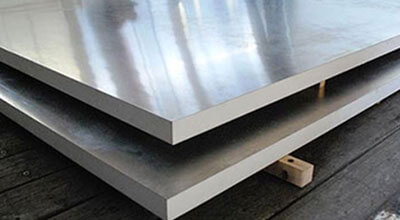
Stainless Steel Perforated Sheet
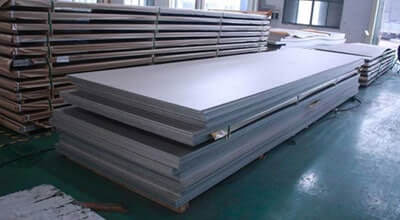
Alloy Steel Perforated Sheet

Nickel Alloy Perforated Sheet
perforated sheet weight calculator, perforated sheet thickness in mm
At AB Steel, we also offer various sizes and configurations for perforated sheets, with easy-to-follow references such as the perforated sheet size chart and ss perforated sheet size chart. These charts are critical for determining the ideal sheet dimensions for different applications, from architectural designs to industrial use. Whether you are searching for the weight of perforated stainless steel sheets or mild steel sheets, AB Steel ensures you have all the necessary data for accurate and efficient project planning.
Perforated sheet weight, Perforated sheet standard size chart
FAQs
The weight of a perforated sheet can be estimated by multiplying the sheet's solid weight per square metre by the percentage of material remaining after perforation. The calculation depends on material density, sheet thickness, dimensions, hole size, and open area.
Larger holes generally create a greater open area, which removes more material and reduces the overall weight of the perforated sheet. However, the hole size must be considered along with the pitch and pattern.
Yes. Hole diameter and pitch can be used to determine the open area of a perforated sheet. This percentage can then be used with the material density and sheet thickness to estimate the weight per square metre.
First, calculate the weight of an unperforated sheet per square metre using material density and thickness. Then multiply it by the percentage of closed area. For example, a sheet with 40% open area retains approximately 60% of the original material weight, before accounting for manufacturing tolerances.
Yes. Open area has a direct effect on weight. A higher open-area percentage means more material has been removed, making the perforated metal lighter. Lower open area leaves more material in the sheet and results in a higher weight per square metre.